No more unnecessary details, misconceptions about wetland carbon credit assessment
Wetlands, as an important component of the global terrestrial ecosystem, are both "carbon credit" and "carbon sources". Although they only account for 4% -6% of the Earth's land area, they store 20% -25% of the world's soil carbon. So the emission and control of greenhouse gases in wetlands directly affect the global climate change governance process.
In China, the distribution of wetland resources is extremely uneven. The absolute area of wetlands in the Qinghai Tibet Plateau and the arid northwest region is the largest, while wetlands in the eastern coastal areas and the middle and lower reaches of the Yangtze River are dense and diverse in type; Inland wetlands (marshes, lakes, rivers, inland mudflatss) account for the absolute majority, while coastal wetlands (mudflatss, mangroves) are concentrated in the eastern coast.
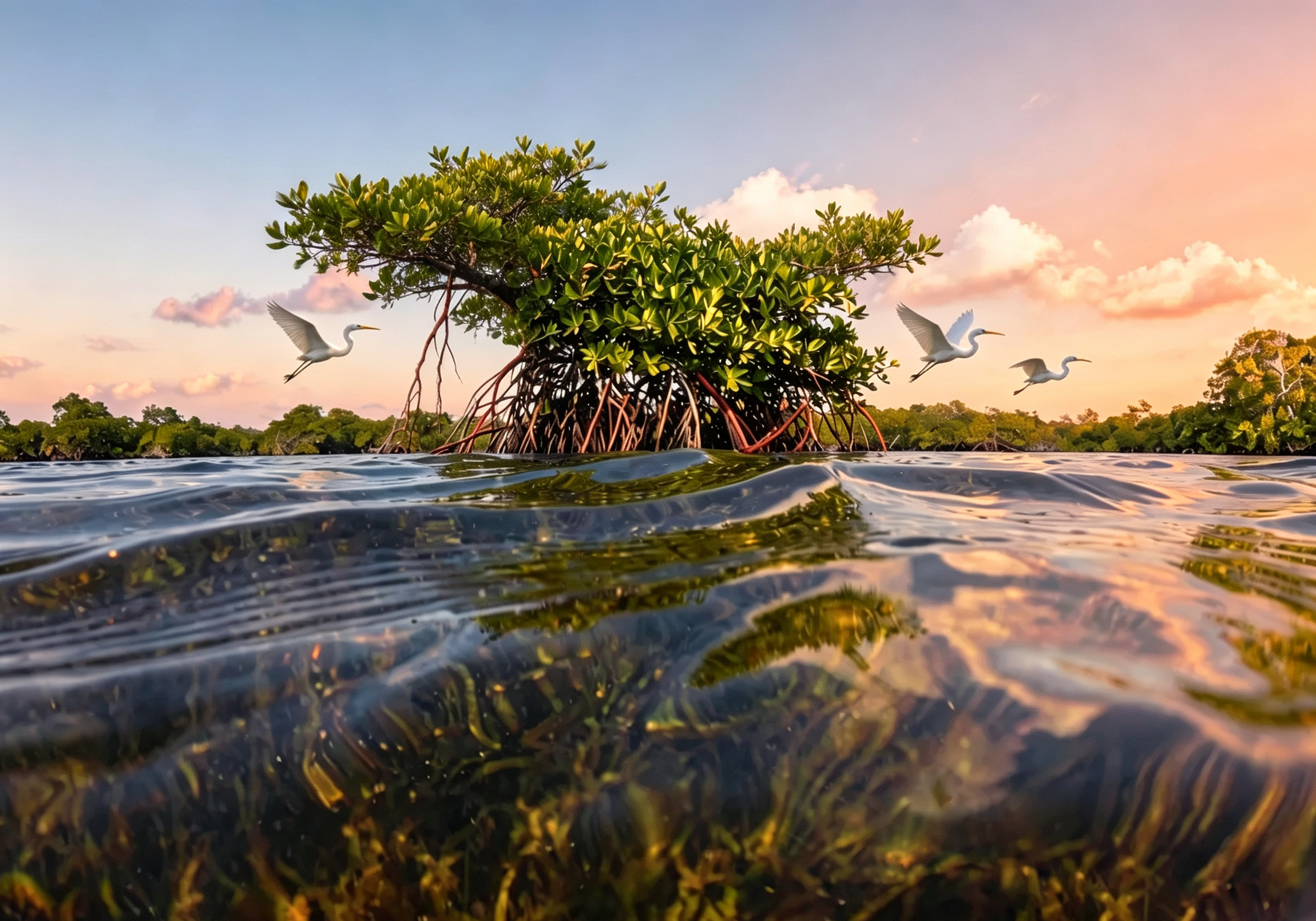
In order of wetland density, Hubei, Jiangsu, Hunan, Jiangxi, Shandong and Guangdong, located in the middle and lower reaches of the Yangtze River and the eastern coastal areas, rank the highest in the country. Jiangsu and Shandong have the top two coastal mudflatss wetlands in the country, while Guangdong has the largest mangrove resources in the country.
Based on the development and distribution characteristics of China's regional economy, many economically developed regions in China are accompanied by abundant and diverse wetland resources. Therefore, protecting wetland resources and exploring their potential carbon credit benefits are important measures to achieve environmental protection and ecological benefits goals.
However, when evaluating the carbon credit of wetland projects, we found that many wetland managers have misconceptions and implement seemingly "beneficial" improvement measures that reduce the absorption and sequestration of greenhouse gases by wetlands, which invisibly lowers the carbon credit value of wetlands. These misconceptions include:
Hydrological regulation: Human activities that affect the hydrological baseline, such as draining wetlands, constructing canals, reclaiming land, restoring moisture, and storing water.
When the water level in wetlands rises, it promotes anaerobic reactions in the environment, increases methane production, and inhibits organic carbon decomposition; When the water level in wetlands decreases, aerobic decomposition in the environment accelerates, leading to a large amount of organic carbon decomposition and release in the soil, but reducing methane release.
Although methane production and organic carbon release fluctuate alternately with changes in wetland water levels, any measures taken to artificially alter the carbon balance of wetlands in the long run carry certain risks.
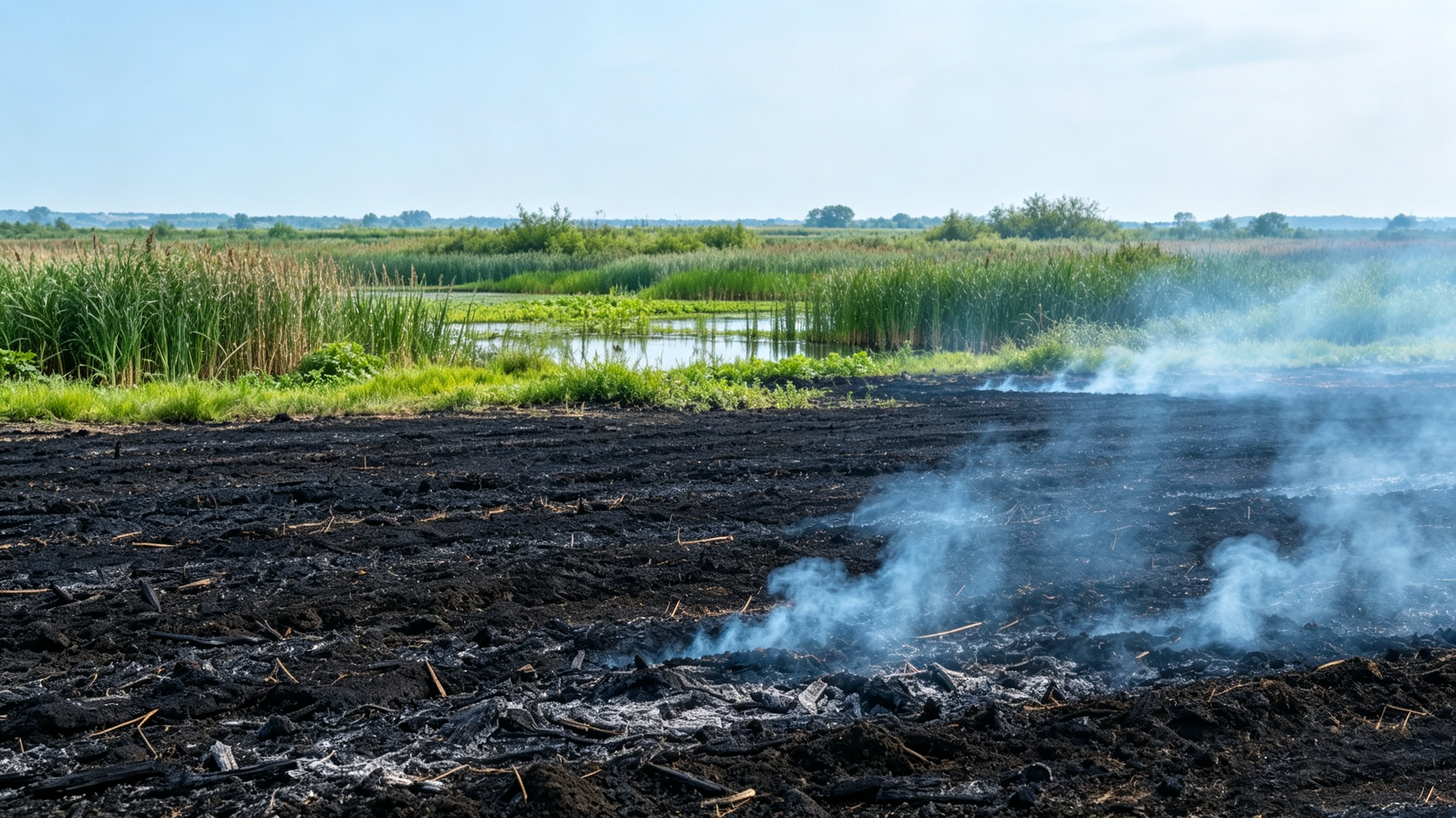
Agricultural Reclamation: Activities such as rice cultivation, dryland modification, vegetation removal, and burning in wetlands.
Due to the fertile soil in wetlands, agricultural activities around wetlands are not uncommon. But any agricultural development on wetlands will bring about the replacement of surface vegetation, which will completely change the carbon input structure of wetlands.
In addition, the process of agricultural development will inevitably be accompanied by plowing and fertilizing of the land. The former will accelerate the decomposition of organic carbon, while the latter will lead to long-term emissions of nitrous oxide, which has a greenhouse effect tens of times stronger than carbon dioxide. As for the burning of clearing land in agricultural activities, it will inevitably lead to rapid and significant carbon emissions and soil structure damage.
Biological disturbances: Activities such as using wetlands as pastureland, grazing, and introducing non-native species.
Using wetlands as grazing land or directly grazing them will inevitably lead to the replacement and total amount change of wetland surface plants, which will reduce carbon input under photosynthesis; Livestock trampling on wetland surfaces can increase soil permeability, speed up aerobic decomposition, and release a large amount of organic carbon.
Pollution and nutrient changes: Including water source pollution, sewage discharge, eutrophication of water bodies (nitrogen and phosphorus input), and oil pollution.
Eutrophication of water bodies can lead to algal blooms and hypoxia, resulting in a sudden increase in greenhouse gas emissions such as methane and nitrous oxide; When the surface of a water body is covered with oil pollution, it will block the exchange of gases between aquatic animals and plants and the outside world, causing a large number of animals and plants to die, blocking photosynthesis and releasing greenhouse gases.
Tourism development: As the most complex and far-reaching form of human intervention that can impact ecological functions in wetlands, tourism development of wetlands can cause comprehensive impacts including "hydro-logical regulation", "biological disturbance", and "pollution and nutrient changes"; The construction and subsequent operation of roads and scenic spots may also cause leakage emissions, which could potentially lead to the complete loss of carbon credit value of this wetland.
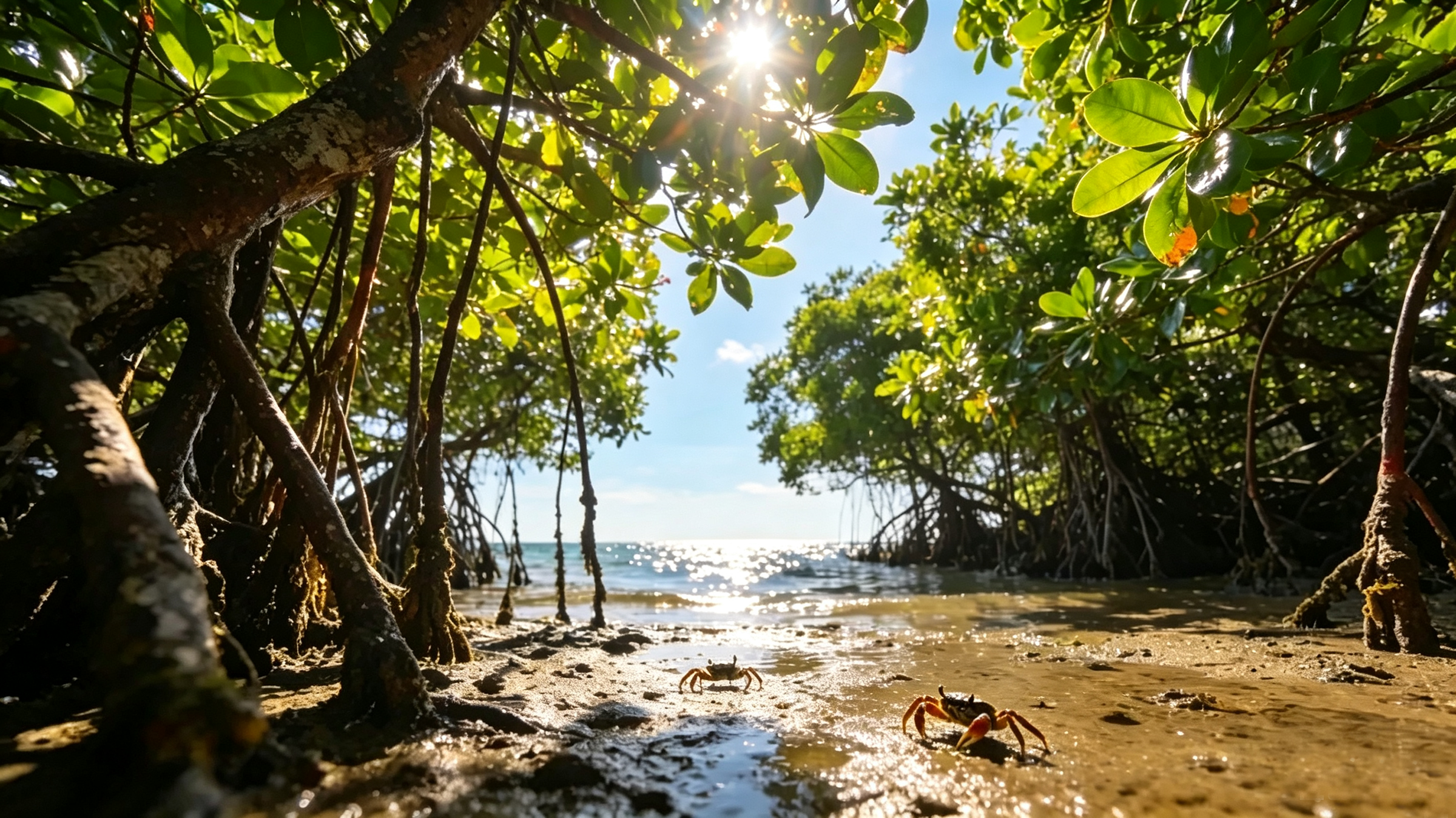
In addition, especially for mangroves and peat-lands, due to their fragile environmental carrying capacity and the preservation of a large amount of organic carbon, from the perspective of carbon credit assessment, the method to ensure the maximization of the carbon credit value of these two wetlands is to maintain their natural state unchanged.
In short, to maximize the carbon credit value of a wetland, we not only need to focus on greenhouse gas emission control, but also take into account core aspects such as biodiversity conservation and water resource regulation. We also need to pay attention to improving the livelihoods of local communities, and achieve coordinated promotion of climate governance, ecological protection, and social development.
Around this complex goal, Green Climate has a set of standardized international methodological tools that can accurately assess the potential carbon credit value of wetlands that meet the requirements.