 WMO
Carbon Credit Economics: The Real Cost of Delivering High-Integrity Credits
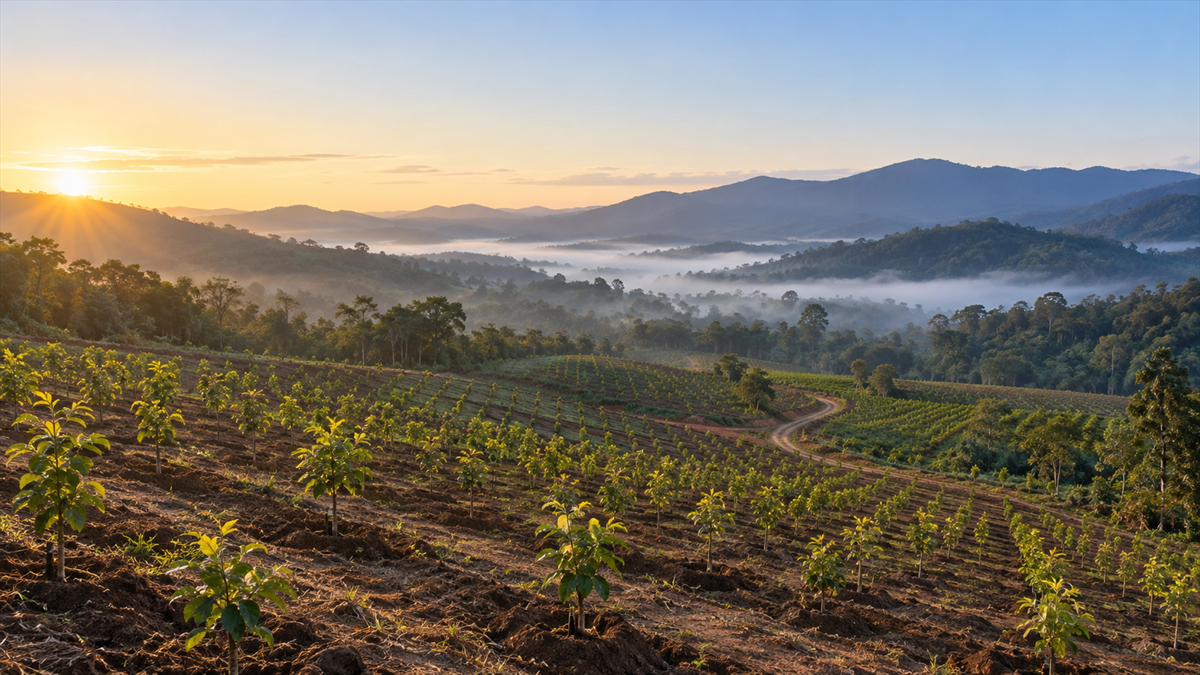
The cost of producing a carbon credit varies widely by project type, financing needs, and operating conditions. A new report draws on 53 responses from project developers working across afforestation, reforestation and revegetation (ARR), biochar, REDD+, cookstoves, regenerative agriculture and mangroves. It examines capital expenditure, operating costs, financing assumptions, additional revenue streams and community benefit-sharing. The findings show that producing high-integrity credits can require very different levels of investment. They also highlight how financing costs and limited transparency can affect project economics, particularly for nature-based solutions and community-led projects.
Biochar Has the Highest Carbon Credit Production Costs
Biochar had the highest median levelized cost at $185 per credit, followed by ARR at $36. Cookstove projects recorded a median of $21, while REDD+ projects had the lowest median at $6. These differences reflect how each project operates. Biochar projects often require specialized equipment, processing facilities, and significant upfront investment. Their economics can also depend on access to suitable biomass, reliable operations, and demand for the biochar product. ARR projects face a different challenge. Developers must invest in land preparation, planting, and project establishment before forests generate substantial volumes of credits. REDD+ projects, by contrast, focus on protecting existing forests, making their cost structure less dependent on establishing new tree cover.
Upfront Investment and Operating Costs Shape Project Economics
Carbon credit production costs depend on both the money developers spend to establish projects and the expenses they incur to keep them running. Capital expenditure (CapEx) includes early investments, while operating expenditure (OpEx) covers activities such as monitoring, verification, and project management.
ARR stands out because 71% of its median levelized cost comes from upfront investment. Developers must finance land preparation and planting before they can generate meaningful credit volumes.
Biochar, REDD+, and cookstove projects have a lower median CapEx share, leaving a greater proportion of their costs associated with ongoing operations.
Higher Financing Costs Can Make Carbon Credits More Expensive
Community-led and Indigenous-led projects may face additional barriers because they often operate in markets with higher perceived risks and have less access to institutional finance. Blended finance, concessional loans and investment guarantees could help reduce these barriers, although access remains uneven.
Project Scale Can Reduce Costs, but Other Factors Matter
Across biochar, ARR, REDD+, and cookstove projects, higher annual credit volumes generally correspond to lower costs per credit. For biochar, the highest-cost project produces fewer than 500 credits annually and has a levelized cost of about $544 per credit. Lower-cost projects, with costs ranging from approximately $25 to $140 per credit, cluster around annual volumes of 2,300 credits or more. Larger operations may spread equipment, staffing, and other fixed expenses across more credits. However, scale alone does not determine costs. Technology, location, access to feedstock, and local market conditions also influence project economics. Sylvera cautions that its limited sample cannot establish a statistically reliable relationship between project size and unit costs.
Conclusion
Production costs vary with technology, financing, scale, and community commitments. Better cost disclosure could help buyers compare projects, developers justify prices, and investors identify financing gaps. Standardized reporting on community benefits would also improve accountability and help direct funding toward credible, high-integrity carbon projects.